
The Allure of Gambling: Why People Play
The psychology of gambling is a complex and captivating field that seeks to uncover the reasons individuals are drawn to games of chance. One major factor is the thrill associated with uncertainty; the unpredictability inherent in gambling stimulates the brain’s reward system, releasing dopamine, a neurotransmitter linked to pleasure. This neurochemical response can lead to feelings of euphoric anticipation or excitement, compelling players to return to casinos in hopes of winning big, especially when they consider the instant casino withdrawal time that enhances their overall gaming experience. By tapping into our innate desire for pleasurable experiences, gambling fosters a cycle of repeated visits and ongoing engagement that can be hard to break.
Social interaction is another vital element of the gambling experience. Many individuals find enjoyment in the communal atmosphere of casinos, where they can connect with others who share similar interests and passions. Whether it’s cheering for a friend at a poker table or sharing light-hearted banter at slot machines, these social interactions enhance the overall enjoyment of the gambling experience. This combination of thrill and companionship elevates gambling from a solitary activity to a shared adventure, solidifying its status as a popular recreational pastime.
The environment of a casino also plays a crucial role in shaping the psychology of gambling. Casinos are designed to be stimulating, featuring bright lights, captivating sounds, and an energetic atmosphere that immerses guests in excitement. This sensory overload often leads gamblers to lose track of both time and money, as they become absorbed in the experience. It’s important to recognize that it’s not merely about the games themselves; the entire casino ecosystem is carefully curated to enhance feelings of adventure and exhilaration, encouraging prolonged play despite the associated risks.
Cognitive Biases in Gambling Behavior
Cognitive biases significantly influence the decisions gamblers make, often leading them to irrational choices that favor continued play. One prevalent bias is the illusion of control, where players mistakenly believe they can influence the outcomes of random events, such as rolling dice or spinning a roulette wheel. This false belief can lead to overconfidence, prompting gamblers to wager larger amounts than they otherwise would. Recognizing this bias is essential, as it highlights how psychological perceptions can greatly impact gambling behavior and contribute to financial losses.
The gambler’s fallacy represents another cognitive distortion that is common among casino patrons. This phenomenon occurs when individuals believe that previous outcomes influence future results in games of chance, leading them to think that a certain result is ‘due’ after a string of losses or wins. Such thinking can drive players to chase their losses, hoping to recover their money, which often escalates their gambling involvement and increases the risk of problematic behaviors. Understanding these cognitive traps is vital for grasping the psychological mechanisms that can ensnare individuals in a cycle of gambling.
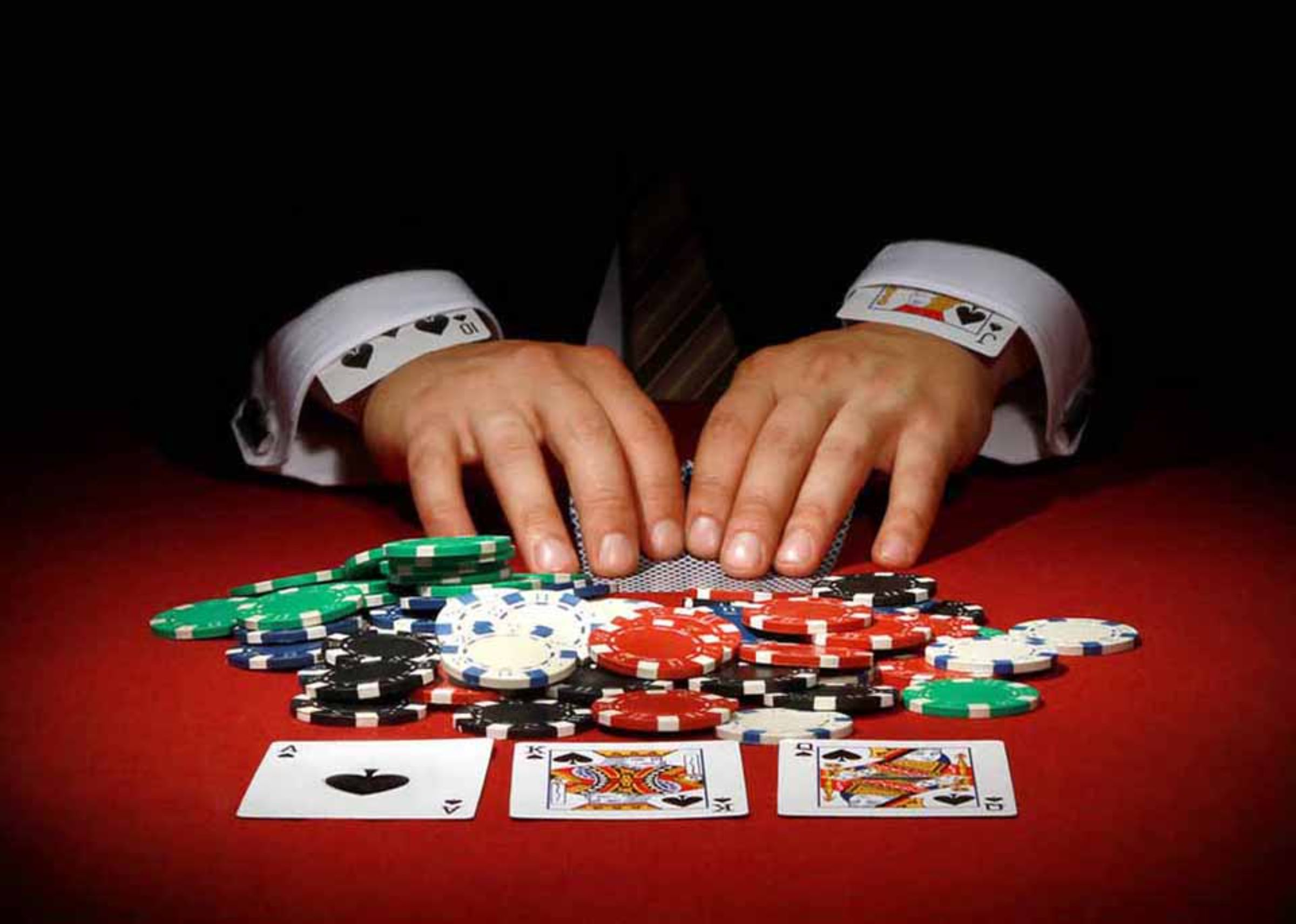
Additionally, the concept of reinforcement schedules plays a critical role in gambling psychology. Casinos often implement strategies that reward players at irregular intervals, creating a pattern of unpredictable wins that keeps players engaged. This form of intermittent reinforcement is particularly effective because the unpredictability of rewards maintains excitement and encourages players to continue gambling. When individuals experience occasional wins amidst a series of losses, it reinforces a cycle of hope and desire, complicating their ability to disengage from habitual gambling behavior.
The Impact of Emotional States on Gambling Decisions
Emotional states have a profound impact on gambling behavior and the decision-making process. When individuals experience stress, boredom, or anxiety, they may turn to gambling as a means of escape or coping mechanism. The excitement associated with gambling can provide temporary relief from negative emotions, creating a vicious cycle where individuals gamble to alleviate their mood but often end up facing additional stress due to financial losses. This relationship illustrates how emotional well-being and gambling can become intertwined, potentially leading to addiction or dependency.
Conversely, positive emotions can also influence gambling decisions significantly. Individuals in high spirits may gamble more liberally, propelled by a sense of confidence or invincibility. This tendency can drive them to make riskier bets, as they may underestimate potential losses due to an excessive sense of optimism. This phenomenon is particularly pronounced in celebratory environments, where social gatherings and elevated emotional states can encourage more extravagant gambling behavior. Thus, the duality of emotional influence plays a critical role in shaping gambling experiences, often resulting in a rollercoaster of outcomes.
Furthermore, the concept of loss aversion is pivotal in understanding emotional decision-making within gambling contexts. Many gamblers experience the pain of losing as more impactful than the pleasure derived from winning. This heightened sensitivity to loss can lead individuals to engage in ‘chasing losses,’ where they gamble more in an attempt to recover previous financial setbacks. Gaining insights into this emotional response can clarify why some gamblers find themselves trapped in a cycle of continuous play, despite experiencing consistent losses over time.
Strategies for Responsible Gambling
While the allure of casinos can be compelling, implementing responsible gambling strategies is crucial in maintaining control over one’s habits. Establishing strict budgets before entering a casino is a foundational practice that aids in preventing overspending. By determining a specific amount of money to allocate for gambling—and adhering to that limit—individuals can enjoy the thrill of the experience without risking more than they can afford to lose. This financial discipline is key to ensuring that gambling remains a source of entertainment rather than a source of distress.

Awareness of personal triggers is another essential strategy for responsible gambling. Identifying emotional states and environmental factors that drive individuals toward gambling can empower them to make informed choices about when and how to gamble. For instance, if feelings of stress or loneliness prompt a visit to a casino, finding alternative coping mechanisms—such as engaging in hobbies or social activities—can provide healthier outlets. This self-awareness can help individuals recognize patterns in their behavior and make proactive decisions regarding their gambling habits.
Lastly, seeking support from communities or organizations dedicated to promoting responsible gambling can be invaluable. Many casinos provide resources and programs designed to encourage safe gambling practices, including self-exclusion options for those who feel their gambling habits are becoming problematic. Utilizing these resources can enhance awareness of gambling risks and provide access to professional help when needed. The importance of community support in this context cannot be overstated, as shared experiences and advice can be instrumental in effectively managing gambling behavior.
The Role of Online Resources in Gambling Awareness
As the landscape of gambling evolves, the role of online resources has become increasingly significant in promoting awareness and responsible gaming practices. Numerous websites offer extensive information about the psychological aspects of gambling, providing insights into cognitive biases and emotional triggers that can influence decision-making. This knowledge equips gamblers with the tools necessary to make informed choices and understand the potential risks associated with their behaviors.
Additionally, various platforms host self-assessment tools that enable individuals to evaluate their gambling habits and identify concerning patterns. These resources can serve as a critical first step in recognizing problematic behavior and seeking help if necessary. The accessibility of online resources allows individuals to educate themselves at their own pace, empowering them to take control of their gambling experiences and make healthier choices.
Finally, online forums and support groups create spaces for individuals to share their experiences and learn from others facing similar challenges. These communities foster understanding and provide essential emotional support for those grappling with gambling-related issues. The combination of education, self-assessment, and community support through online resources plays a pivotal role in enhancing gambling awareness and promoting responsible practices, ultimately contributing to healthier gambling behaviors in society.